What to Do on Moving Day UK 2026
Complete guide on what to do on moving day UK. Essential tasks, timings, costs and tips for a stress-free house move in 2026.
Tom

What to Do on Moving Day UK 2026: Your Complete Guide
Moving day has finally arrived – the culmination of weeks or months of planning, packing, and preparation. Whether you're relocating across the street or to the other side of the country, knowing exactly what to do on moving day UK can make the difference between a smooth transition and a stressful ordeal. This comprehensive guide will walk you through every essential step to ensure your moving day runs as smoothly as possible.
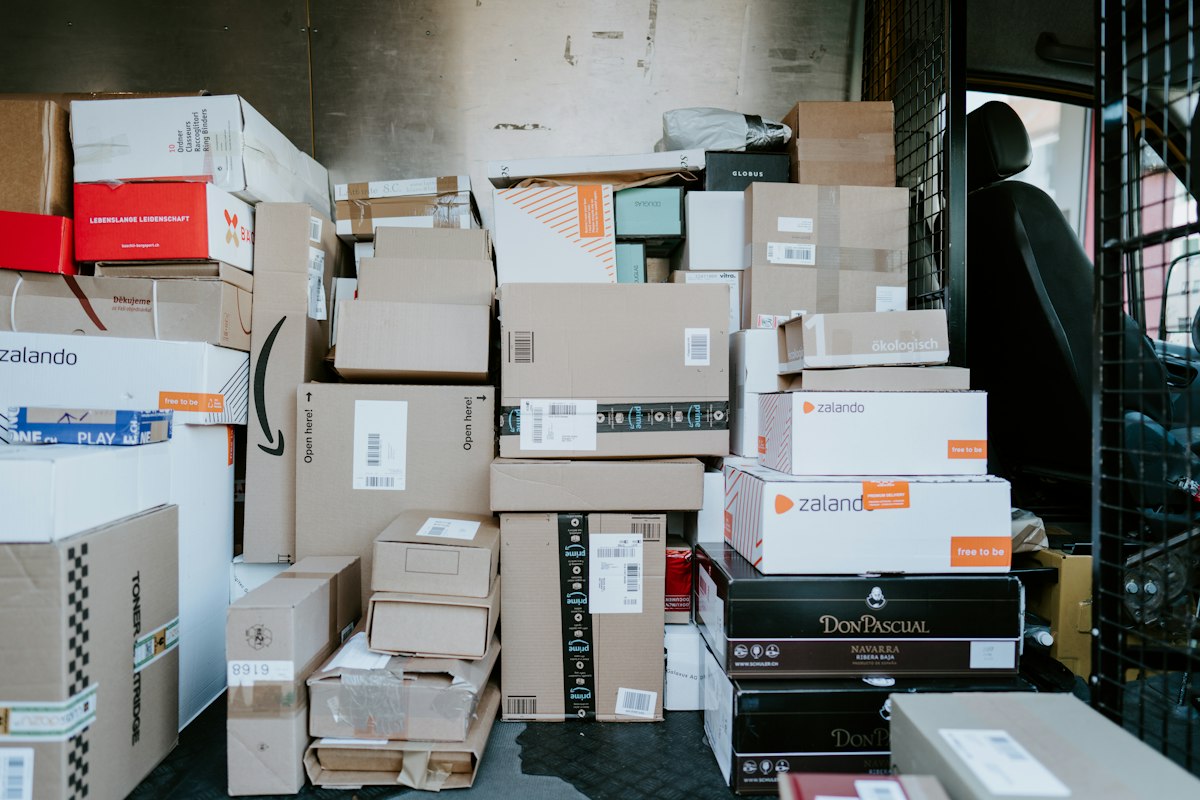
Before the Movers Arrive
Start Early (6:00 AM - 7:00 AM)
Your moving day should begin early, ideally around 6:00 AM. This gives you ample time to handle last-minute preparations before your man and van team or removal company arrives. Begin by having a substantial breakfast – moving day is physically and mentally demanding, and you'll need the energy.
Final Packing and Labelling
Complete any remaining packing that couldn't be done in advance. This typically includes:
- Essential toiletries you used that morning
- Cleaning supplies for final touch-ups
- Items from the fridge or freezer
- Last-minute clothing additions to your suitcase
Ensure all boxes are clearly labelled with their destination room and contents. This simple step will save hours of confusion later when directing movers and unpacking in your new home.
Create a Moving Day Survival Kit
Prepare a clearly marked box or bag containing:
- First aid kit
- Phone chargers
- Snacks and bottled water
- Toilet paper and basic toiletries
- Change of clothes
- Important documents
- Cash for tips and unexpected expenses
- Basic tools (screwdriver, hammer, scissors)
Meter Readings and Utilities
Take final meter readings for gas, electricity, and water at your old property. Photograph or write down these readings and contact your utility providers to arrange final bills. Confirm that utilities are connected and working at your new property.
When Your Man and Van Team Arrives
Documentation and Insurance
Before any loading begins, verify your moving team's credentials:
- Check their Public Liability Insurance certificate
- Confirm Goods in Transit cover details
- Review the inventory list together
- Understand their claims process
Walk-Through and Inventory
Conduct a thorough walk-through of your property with the team leader. Point out:
- Fragile items requiring special handling
- Heavy items that need extra manpower
- Items not being moved
- Any existing damage to walls, doors, or floors
Create a detailed inventory of valuable items, noting their condition before loading. Take photographs of expensive electronics, furniture, and artwork as additional protection.
Loading Strategy
Professional movers should have a systematic loading approach:
- Heavy items (appliances, furniture) loaded first
- Boxes stacked securely with heavier ones at the bottom
- Fragile items wrapped and positioned safely
- Space utilisation maximised without overloading
Managing the Loading Process
Stay Present and Communicate
Remain on-site throughout the loading process to:
- Answer questions about item placement
- Make decisions about questionable items
- Ensure nothing is left behind
- Address any concerns immediately
Final Property Checks
Before leaving your old property, complete these essential tasks:
- Check all rooms, cupboards, and storage spaces
- Turn off water, gas, and electricity at the mains
- Secure all windows and doors
- Leave keys as arranged with estate agents or new owners
- Take final photographs for your records
During Transit
If travelling separately from your belongings, use this time productively:
- Confirm arrival time at your new property
- Purchase any forgotten essentials
- Collect keys if not already done
- Arrange childcare or pet care if needed
For long-distance moves where you're following the van, maintain reasonable distance and stay in phone contact with the driver about stops, delays, or route changes.

At Your New Property
Arrival Preparations
Before the moving van arrives:
- Ensure clear access to your property
- Protect floors and walls with coverings if necessary
- Identify which rooms correspond to your labelling system
- Have your survival kit easily accessible
Directing the Unloading
Guide the placement of furniture and boxes:
- Large furniture items should go directly to their final positions
- Boxes should go to their designated rooms
- Keep walkways clear for safety
- Check items off your inventory as they're unloaded
Immediate Priorities
Once unloading is complete:
- Check utilities are working (water, gas, electricity)
- Locate and test the main water shut-off valve
- Find the fuse box and ensure power is distributed correctly
- Test heating system if weather requires
- Set up basic connectivity (phone, internet)
Essential Moving Day Costs UK 2026
| Service Type | Distance | Typical Cost Range |
|---|---|---|
| Small Van (up to 10 cubic metres) | Local (within 20 miles) | £280-£450 |
| Medium Van (10-15 cubic metres) | Local (within 20 miles) | £380-£650 |
| Large Van (15-20 cubic metres) | Local (within 20 miles) | £480-£750 |
| Small Van | Long Distance (50+ miles) | £450-£850 |
| Medium Van | Long Distance (50+ miles) | £650-£1,200 |
| Large Van | Long Distance (50+ miles) | £850-£1,500 |
Prices include two-man team, basic insurance, and standard working hours. Additional charges may apply for stairs, long carries, or weekend moves.
Questions to Ask Before Hiring Your Man and Van
- What insurance cover is included in your quote?
- Are there additional charges for stairs or long carries?
- What happens if the move takes longer than estimated?
- Do you provide packing materials or moving equipment?
- What is your policy on fragile or valuable items?
- Are weekend or evening moves available, and at what cost?
- How do you handle complaints or damage claims?
- Can you provide references from recent customers?
- What payment methods do you accept?
- Is there a cancellation policy if weather prevents moving?
Post-Move Immediate Tasks
Safety and Security
Your first priority should be securing your new home:
- Change or rekey all locks
- Test smoke and carbon monoxide detectors
- Locate emergency shut-offs for gas and water
- Program emergency numbers into your phone
- Register with local emergency services if required
Essential Unpacking Order
Prioritise unpacking in this order:
- Survival kit essentials
- Bedroom basics for a comfortable first night
- Kitchen essentials for basic meals
- Bathroom necessities
- Children's items if applicable
Administrative Tasks
Complete these tasks within the first few days:
- Register with a local GP and dentist
- Update your address with banks, insurance companies, and employers
- Register to vote at your new address
- Arrange council tax payments
- Update your driving licence and vehicle registration
- Transfer or set up new utility accounts
Common Moving Day Challenges and Solutions
Unexpected Delays
Weather, traffic, or mechanical issues can cause delays. Build buffer time into your schedule and have contingency plans for:
- Alternative accommodation if completion is delayed
- Storage solutions if you can't access your new property
- Communication plans for all parties involved
Damage or Loss
Despite careful planning, accidents can happen. Document any damage immediately with photographs and contact your moving company's insurance provider. Keep receipts for any emergency purchases or temporary accommodation costs.
Last-Minute Complications
Property chains can collapse, keys might not be available, or utility connections could fail. Stay calm and have contact details readily available for:
- Estate agents
- Solicitors
- Utility companies
- Emergency locksmiths
- Alternative accommodation
Frequently Asked Questions
What time should I start preparing on moving day? Start your moving day preparations at 6:00 AM to complete final packing and preparations before your moving team arrives. This early start helps ensure everything runs smoothly and gives you time to handle any unexpected issues.
How much should I tip my man and van team? Tipping isn't obligatory in the UK, but £10-£20 per person is customary for good service. Consider factors like punctuality, care with belongings, and overall professionalism when deciding on gratuities.
What should I do if my belongings are damaged during the move? Document any damage immediately with photographs and report it to your moving company before they leave. Contact their insurance provider within 24 hours and keep all damaged items until the claim is resolved.
Can I travel in the moving van with my belongings? Most professional moving companies don't allow passengers in their vehicles due to insurance restrictions. Plan alternative transport to your new property and arrange to meet the van there.
What if the move takes longer than expected? Reputable moving companies should discuss potential overruns beforehand. Ensure you understand their charging structure for additional time and have realistic expectations about the duration of your move.
Should I be present throughout the entire moving process? Yes, it's advisable to be present during both loading and unloading to direct the movers, check inventory, and handle any decisions that arise. If you can't be present, designate a trusted representative with clear instructions.
Moving day represents a significant milestone in your life, and proper preparation ensures it's remembered positively rather than as a source of stress. By following this comprehensive guide and maintaining clear communication with your moving team, you'll be well-equipped to handle whatever challenges arise. Remember that flexibility and patience are your greatest assets on moving day – even with the best planning, unexpected situations can occur, but they're usually manageable with the right approach.
Find a Man and Van Near You →
Search our free UK directory to find reliable, insured man and van services across the UK. Compare local operators, read reviews and get quotes today.
Comments(0)